Renters’ Rights, EPC Reform & Heating: What You Need to Know

March 20, 2026

There’s been a lot of noise around the Renters’ Rights Act, but most of it has focused on tenancy reform. What’s less discussed is how it ties into something running alongside it: energy efficiency standards.

Between now and 2030, the UK rental sector is heading towards stricter property standards and a new way of measuring energy performance. Put simply, heating systems are becoming more important in how properties are assessed, specified, and upgraded. Let’s explore everything you need to know.

What’s changing in the rental sector?

The Renters’ Rights Act

Coming into force 1st May 2026, the Renters’ Right Act focuses on tenancy reform, but it also raises expectations around property quality and long-term performance:

  • Longer tenancies – Systems need to perform reliably over time
  • Greater oversight – Clearer accountability for property condition
  • Higher standards – Issues like damp, mould, and heating can’t be ignored

2030 EPC C Deadline

Over the next few years, rental properties will need to meet higher energy efficiency standards, with EPC C expected to become the key benchmark. That means:

  • More upgrades needed – A larger portion of existing rental stock will require improvements
  • Beyond like-for-like replacements – System choice will need more thought
  • Better use of controls – Zoning, timers, and smart controls will play a bigger role
  • Right system for the property – Solutions need to match the building, its occupants, and how it’s used day to day
  • Greater focus on performance – How a system heats and maintains comfort will carry more weight

EPC reform

From 2027, the current SAP methodology is expected to be replaced by the Home Energy Model (HEM). This is significant for anyone working in the rental sector because HEM moves away from a narrow focus on running costs and instead considers a multi metric approach:

  • Energy use
  • Carbon impact
  • How systems perform over time
  • Controls and responsiveness


Check out our blog on EPC reform here.

Why this matters for heating decisions

Under older EPC methods, heating systems were often judged largely on fuel type and assumed costs. Instead HEM places more emphasis on how a system performs in real use – how effectively it maintains comfort, responds to demand, and is controlled day to day.

With that in mind, let’s look at some common heating systems, where they fit, and how they may perform under HEM.

Comparing electric heating systems

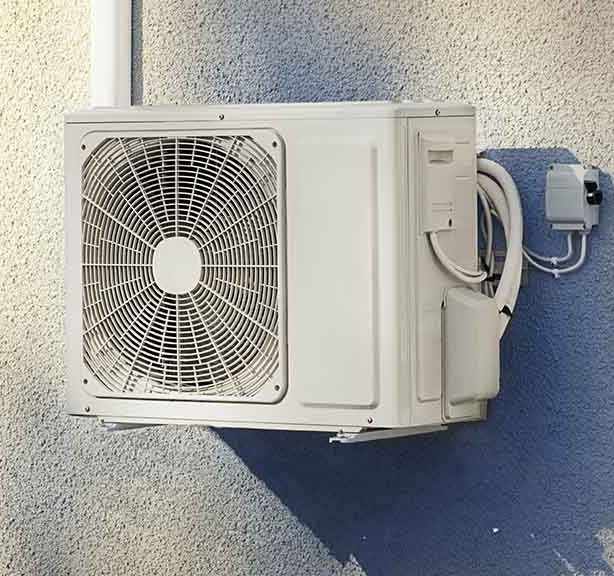
Heat Pumps

Where they fit:

  • New builds
  • Full property upgrades

Key advantages:

  • High efficiency
  • Lower carbon emissions
  • Designed for whole-home systems
  • Can provide water heating
  • Growing demand

Heat Pumps Under HEM

Expected to perform strongly, as the model better reflects real-world efficiency. However, outcomes depend heavily on good design, insulation, and system setup, making them most suitable for properties that can support a full-system approach.

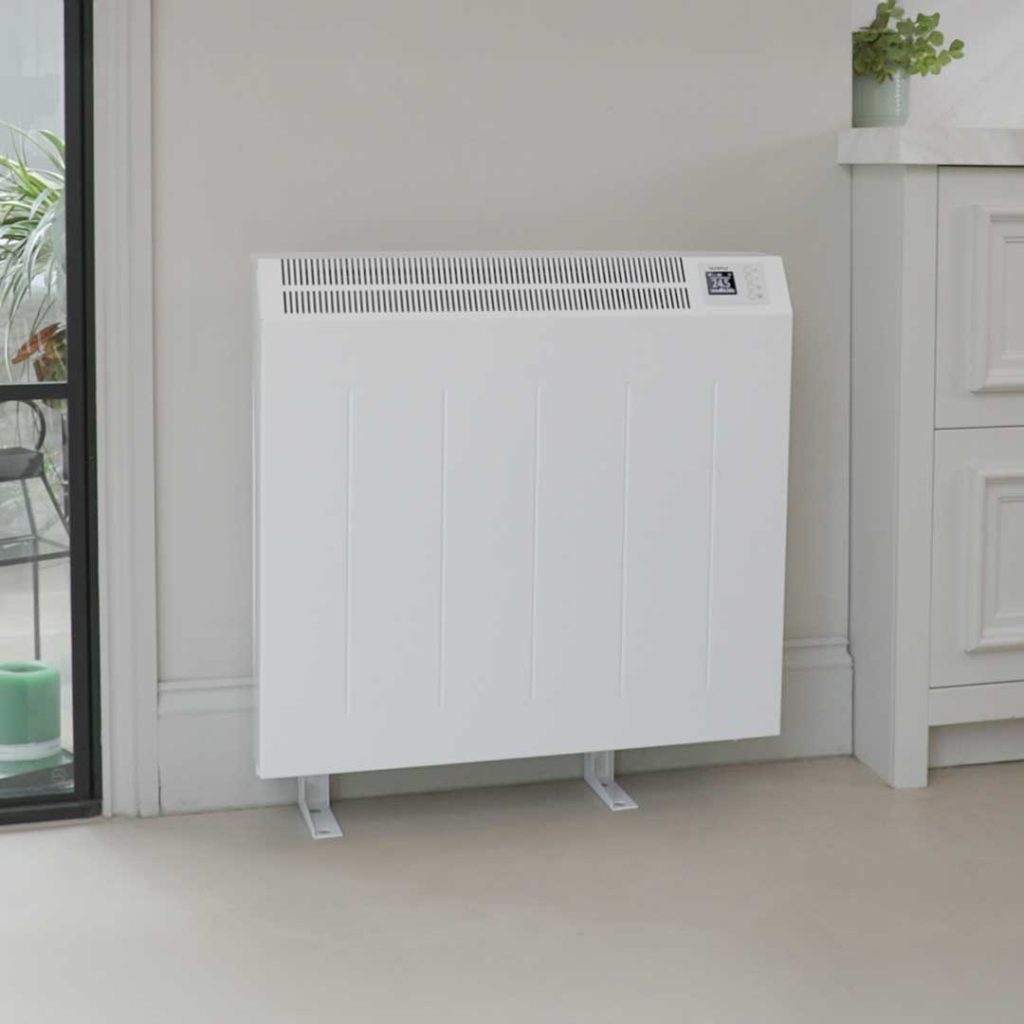
HHR Storage Heaters

Where they fit:

  • Flats
  • HMOs
  • Electric-only properties

Key advantages:

  • Cheap to run with Economy tariffs
  • Provides steady, all-day heat
  • Offers improved insulation and controls
  • Straightforward swap for old storage heaters
  • No pipework

HHR Storage Heaters Under HEM

Their ability to store and shift energy use will be better recognised than before. While they don’t offer the efficiency of heat pumps, they are a practical and compliant solution where central systems aren’t viable.


Check out: Ecostrad Magma HHR

Direct Electric Heating (Radiators, Panel Heaters, Infrared Panels)

Where they fit:

  • Retrofits
  • Partial upgrades
  • Room-by-room heating

Key advantages:

  • Simple installation
  • Flexible control
  • Minimal disruption
  • Easy to zone and control
  • Low maintenance

Direct Electric Heating Under HEM

They will fare better from a carbon perspective, but these systems still operate at 1:1 efficiency. They’ll be best suited to targeted heating or smaller, well-insulated spaces, where their flexibility and ease of use can be fully utilised.


Check out: Ecostrad iQ Ceramic

Looking ahead to 2030

The move towards EPC C is driving change across the rental sector. For those involved in specifying, installing, or managing heating systems, this creates both pressure and opportunity:


  • Planned upgrades rather than reactive fixes
  • More focus on long-term performance
  • Greater demand for practical, compliant solutions


Electric heating continues to play an important role, particularly where flexibility, simplicity, and retrofit practicality are key. At the same time, the shift in assessment means all systems will increasingly be judged on how they perform in real use – not just what they are on paper.

We’re ready for what’s next

At Ecostrad, we’re focused on delivering electric heating solutions that meet these changing demands – combining straightforward installation with the controls and performance needed for modern standards.

If you’re planning upgrades or want to better understand which systems suit your next project, our team is here to help. Get in touch to discuss your requirements or explore the range today!